Choosing the Right Patchwork Duck PNG for Farmhouse Designs
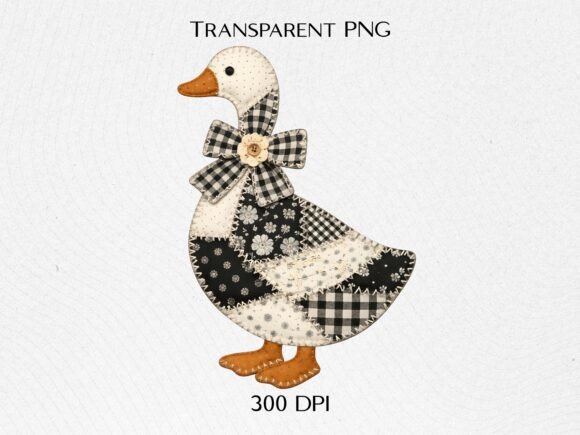
The rise of cottagecore and rustic aesthetics has transformed how we approach digital design, particularly in the realm of printable crafts. At the center of this trend is the Patchwork Duck PNG, a charming graphic that blends whimsical animal imagery with traditional textile patterns. This specific design features an adorable duck adorned with black and white patchwork fabric details, floral patterns, gingham accents, and a matching bow. It captures the essence of a sweet, handmade farmhouse look that resonates deeply with modern consumers seeking comfort and nostalgia in their home decor and apparel.
However, simply downloading any duck image will not guarantee professional results. Many creators, from hobbyists to small business owners, overlook critical technical and aesthetic details when selecting digital assets. Understanding the nuances of high-quality sublimation files can mean the difference between a best-selling t-shirt and a product that looks amateurish. This guide explores common pitfalls in using these designs and offers practical advice to ensure your creative projects maintain their integrity and appeal.
Understanding Resolution and File Quality
One of the most frequent mistakes beginners make is ignoring the technical specifications of a digital file. A Patchwork Duck PNG might look crisp on a computer screen, but if it lacks the necessary resolution, it will appear pixelated and blurry when printed. Screen displays typically operate at 72 DPI (dots per inch), which is insufficient for physical products. For high-quality printing, especially on textiles, you need a file that is at least 300 DPI.
When you purchase or download a design, always verify the resolution before starting your project. Using a low-resolution image for sublimation printing on a t-shirt will result in jagged edges and lost detail, particularly in the intricate patchwork and floral elements of the duck design. This not only wastes materials but also damages your reputation as a creator. To avoid this, check the file properties immediately after download. If the image dimensions are small, such as 500x500 pixels, it is likely not suitable for large-format printing without significant quality loss.
A better approach is to source files explicitly labeled as "high resolution" and "300 DPI." These files are prepared for print, ensuring that the gingham accents and fabric textures remain sharp and defined. Instant download packages often include multiple sizes; choose the largest available version to give yourself flexibility in scaling the design for different products, from stickers to full-front t-shirt prints.
The Importance of Transparent Backgrounds
Another critical aspect often overlooked is the background of the image. A true PNG file should have a transparent background, allowing the design to sit seamlessly on any colored substrate. Some users mistakenly save images as JPEGs, which do not support transparency and instead fill the empty space with white. When you attempt to sublimate a JPEG onto a dark-colored shirt, you will end up with an unsightly white box surrounding the duck, ruining the aesthetic.
To ensure versatility, confirm that your Patchwork Duck PNG has a checkerboard pattern behind it in your editing software, indicating transparency. This feature is essential for creating cohesive designs on various items, including mugs, tote bags, and decals. Without transparency, you are limited to white or light-colored backgrounds, severely restricting your product range. Always preview your file in a design program like Photoshop, Canva, or Silhouette Studio to verify that the background is indeed transparent before sending it to print.
Color Accuracy and Sublimation Considerations
Sublimation printing involves transferring ink onto polyester fabrics using heat, a process that can alter color vibrancy. The black and white patchwork details in the duck design require precise contrast to look effective. A common error is failing to calibrate monitors or printers, leading to colors that appear dull or washed out in the final product. The floral patterns and gingham accents may lose their definition if the ink saturation is not managed correctly.
To mitigate this, perform test prints on scrap fabric before committing to a full production run. Adjust the brightness and contrast settings in your design software to compensate for any fading that occurs during the heat press process. Additionally, ensure that your sublimation paper and ink are compatible with your printer model. High-quality materials preserve the intricate details of the patchwork texture, maintaining the rustic charm that makes the design appealing.
Licensing and Commercial Use Rights
For entrepreneurs and small business owners, understanding licensing terms is non-negotiable. Downloading a Patchwork Duck PNG from a free resource does not automatically grant you the right to sell products featuring that design. Many creators offer files for personal use only, while others provide commercial licenses for an additional fee. Ignoring these terms can lead to legal issues and copyright strikes, which can shut down online stores and damage brand credibility.
Before incorporating any design into your product line, read the license agreement carefully. Look for clauses that specify whether you can use the file for physical products, digital prints, or both. Reputable sellers will clearly state their terms, often providing a PDF document with the download. If the terms are unclear, contact the designer directly for clarification. Investing in properly licensed assets protects your business and supports the artistic community, fostering a sustainable ecosystem for creative resources.
Design Integration and Product Application
Simply placing the duck image on a product is not enough to create a compelling item. Effective design integration involves considering the context and complementing elements. For instance, when creating a farmhouse-themed t-shirt, pair the Patchwork Duck PNG with rustic typography or complementary botanical illustrations. Avoid cluttering the design with too many elements, which can distract from the main subject and reduce visual impact.
Consider the target audience and the intended use of the product. Cute animal gifts and country crafts often appeal to those who appreciate handmade aesthetics. Use this insight to guide your material choices, such as opting for soft, high-quality cotton blends for apparel or durable vinyl for outdoor decals. Presentation matters; photograph your finished products in settings that reflect the cottagecore vibe, such as wooden tables or floral backdrops, to enhance the perceived value and attract potential buyers.
- Check Resolution: Ensure the file is 300 DPI for crisp printing.
- Verify Transparency: Confirm the PNG has no white background.
- Test Colors: Run sample prints to adjust for sublimation fading.
- Review Licensing: Understand commercial use rights before selling.
- Contextualize Design: Pair the duck with complementary rustic elements.
In conclusion, the Patchwork Duck PNG is a versatile and appealing asset for anyone involved in rustic and farmhouse-inspired creativity. By paying attention to technical details like resolution and transparency, respecting licensing agreements, and thoughtfully integrating the design into your products, you can avoid common pitfalls and achieve professional results. Whether you are creating t-shirts, sublimation prints, or cozy home decor, these practices will help you deliver high-quality items that resonate with your audience and stand out in a crowded market.